

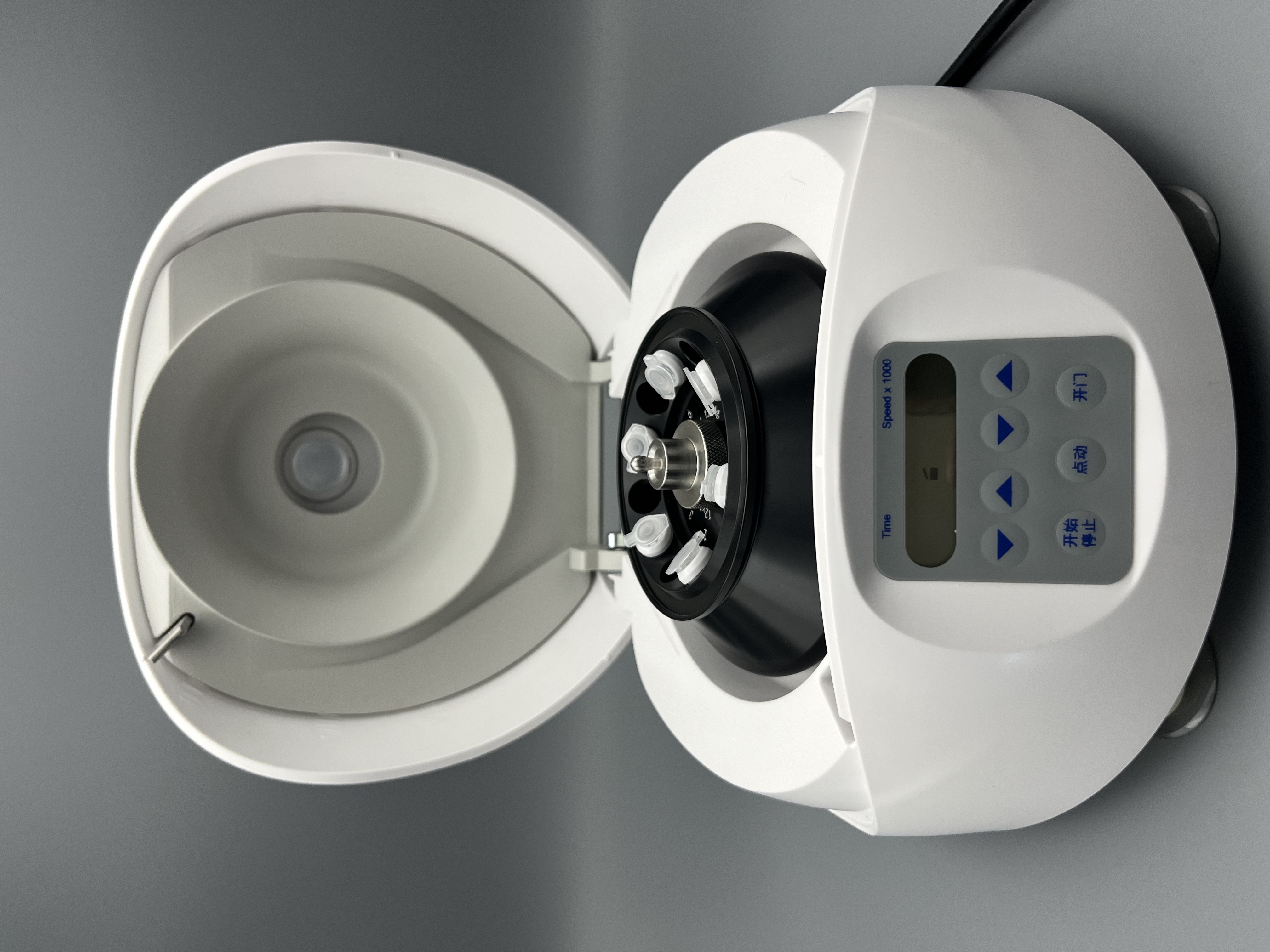
What is a Centrifugal Machine Used For?
Centrifugal machines, commonly known as centrifuges or centrifugal devices, are innovative tools playing a vital role across a range of industries and scientific applications. From high-tech laboratories to wastewater treatment facilities, these versatile pieces of equipment employ the powerful forces of centrifugal acceleration to separate, propel, or dry materials efficiently. But what exactly is a centrifugal machine used for, and how do its accessories enhance its capabilities? In this comprehensive guide, we'll unravel the workings of these machines, explore their diverse applications, and provide practical tips for choosing the right centrifugal equipment and consumables for your needs.
Understanding Centrifugal Machines
Centrifugal machines operate on the fundamental principle of centrifugal force. When objects rotate rapidly around a fixed axis, they are pushed away from the center by this force. Centrifugal machines harness this force for myriad tasks such as separating mixtures, moving fluids, or removing moisture.
Types of Centrifugal Machines:
1. Centrifuges: The most common type, centrifuges are designed to separate solids from liquids or different liquid phases based on density. These are indispensable in medical labs, research, and industrial processes.
2. Centrifugal Pumps: These pumps use rotational energy to move fluids, commonly found in water supply and chemical plants.
3. Centrifugal Dryers: Utilized for removing excess water or moisture from solids, mainly in industries like textiles and food processing.
Common Uses of Centrifugal Machines
Centrifugal machines are prized for their versatility. Here’s how they’re commonly applied:
Separation of Substances
- Chemical Mixtures: In factories and laboratories, centrifuges rapidly separate chemicals based on density, aiding in purification and analysis.
- Biological Samples: Blood, cells, and microorganisms can be efficiently separated, enabling accurate diagnostics and research.
Fluid Transfer and Movement
- Liquid Pumping: Centrifugal pumps are the backbone of municipal water systems, moving large volumes efficiently.
- Water Treatment: In treatment plants, centrifugal devices remove particulates and sludge from water, ensuring safety and compliance.
Drying and Moisture Removal
- Laundry and Textiles: Industrial washers and dryers use centrifugal force for rapid moisture extraction, speeding up the drying process.
- Food Processing: Centrifugal machines help separate cream from milk, dewater vegetables, and more, ensuring product quality and shelf-life.
Key Industries Using Centrifugal Machines
Nearly every major industry harnesses the power of centrifugal technology:
Healthcare and Laboratories:
Laboratory centrifuges are critical for analyzing blood, urine, and cellular samples. They enable the separation of plasma, serum, and other components required for diagnostics, research, and pharmaceutical development.
Agriculture and Food Industry:
Cream separators, juice extractors, and vegetable washers all rely on centrifugal action. These machines not only increase efficiency but also improve product quality and safety.
Manufacturing and Engineering:
Factories use centrifugal pumps and dryers for processing fluids, removing unwanted moisture, and even finishing metal components.
Waste Management and Recycling:
Environmental agencies use centrifugal separators to clean wastewater and recycle valuable materials from industrial or municipal waste streams.
Advantages of Centrifugal Machines
Centrifugal machines are popular not only for their effectiveness but also for the multitude of benefits they deliver:
Efficiency and Speed:
Centrifugal separation, drying, or pumping occurs rapidly and can process large volumes in a fraction of traditional timeframes.
Versatility:
Whether separating delicate cellular structures or moving tons of wastewater, centrifugal machines are adaptable, with models and accessories for every scale and substance.
Reliability and Low Maintenance:
With relatively simple mechanical designs, centrifugal machines are known for their durability, long service life, and minimal maintenance requirements.
Safety and Maintenance Considerations
Like all powerful tools, safe operation and proper maintenance of centrifugal machines are crucial:
Safe Operation Practices:
- Always balance loads to avoid undue stress and potential breakdown.
- Never open a centrifuge while it’s spinning.
- Use the recommended accessories and consumables, such as rotors, tubes, and safety lids, to prevent accidents.
Common Maintenance Routines:
- Inspect and clean the spindle and rotor regularly.
- Check for wear and tear on gaskets, seals, and drive belts.
- Verify calibration and alignment to ensure peak performance.
Potential Hazards and Risk Mitigation:
- Imbalanced rotors can cause vibration and possible ejection of parts.
- Overfilled vessels may leak or break under high-speed rotation.
- Chemical exposure risks exist if containment fails.
How to Choose the Right Centrifugal Machine
Selecting the ideal centrifugal machine for your application is straightforward if you follow these steps:
Assess Your Needs:
Clarify the purpose—Are you separating liquids, drying solids, or transferring fluids? The answer dictates the type and size you need.
Compare Types and Specifications:
Look for machines rated for your intended workload, speed (revolutions per minute), and capacity. Review available rotors, tubes, and compatible accessories.
Budget and Quality Considerations:
While cost is a key factor, also consider energy efficiency, brand reliability, and after-sales service. Higher-end models may yield long-term savings via greater efficiency and reduced maintenance.
Consumable Accessories:
Consumables like centrifuge tubes, rotors, bucket adapters, and filters are essential. Choose high-quality consumables tailored to your machine and material compatibility.
Conclusion
Centrifugal machines are indispensable assets across science, industry, and even household chores. They excel at separating, pumping, and drying—a testament to the remarkable utility of centrifugal force. With the right selection and care, these machines and their consumable accessories will deliver years of reliable service, boosting efficiency and ensuring quality in countless applications.
Whether you're managing a busy lab, a food production line, or an industrial facility, understanding what a centrifugal machine is used for—and how to make the most of its capabilities—will keep your operations running smoothly. Equipped with knowledge and the right tools, you’re set to harness the power of centrifugal technology for success.
Further Reading:
- “Types of Centrifuges and Their Applications”
- “Best Practices for Laboratory Centrifuge Maintenance”
- “Guide to Selecting Centrifugal Pumps”
Have questions or need help selecting a centrifugal machine for your business? Contact our experts for tailored advice and support!